The Bronze Legacy
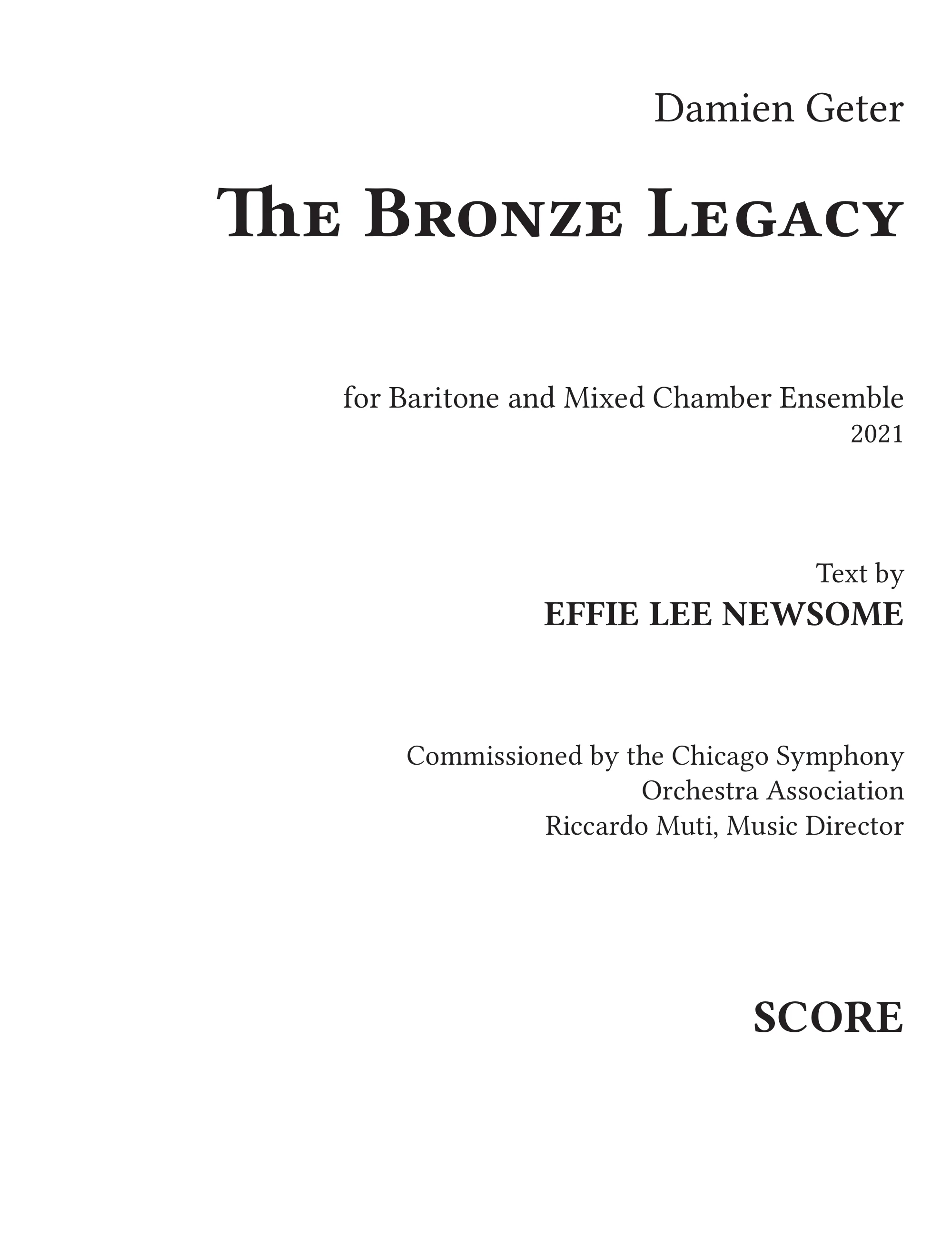
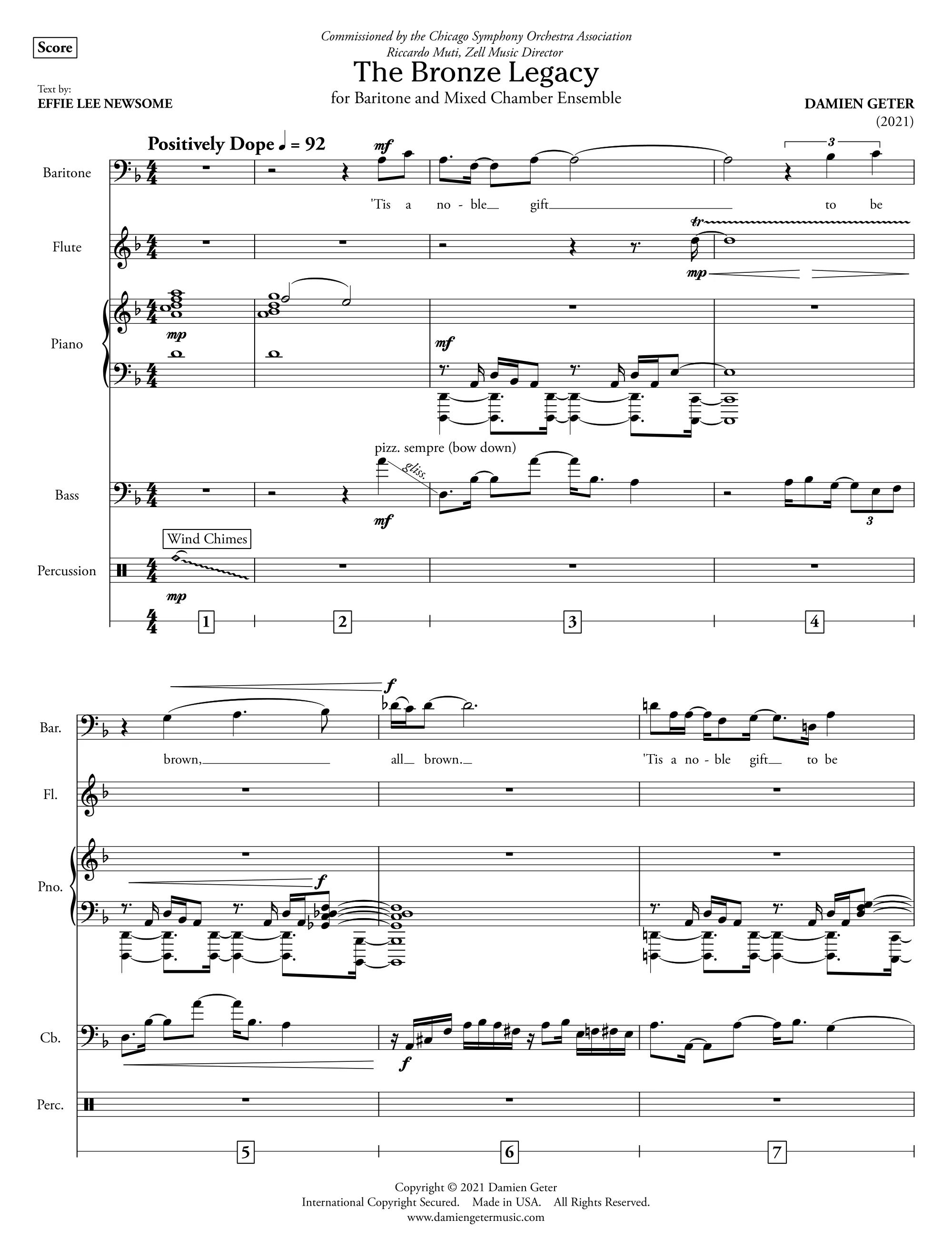
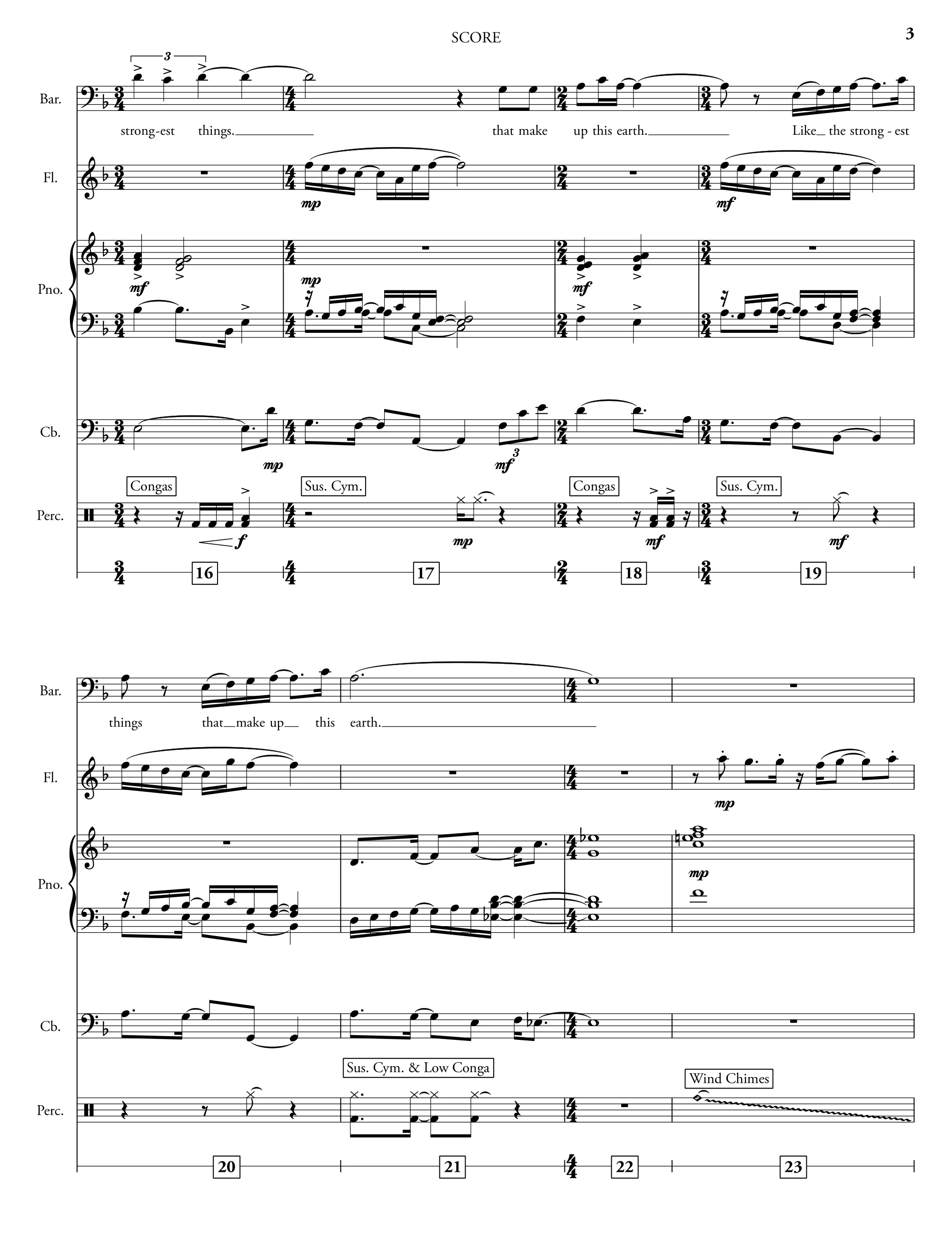
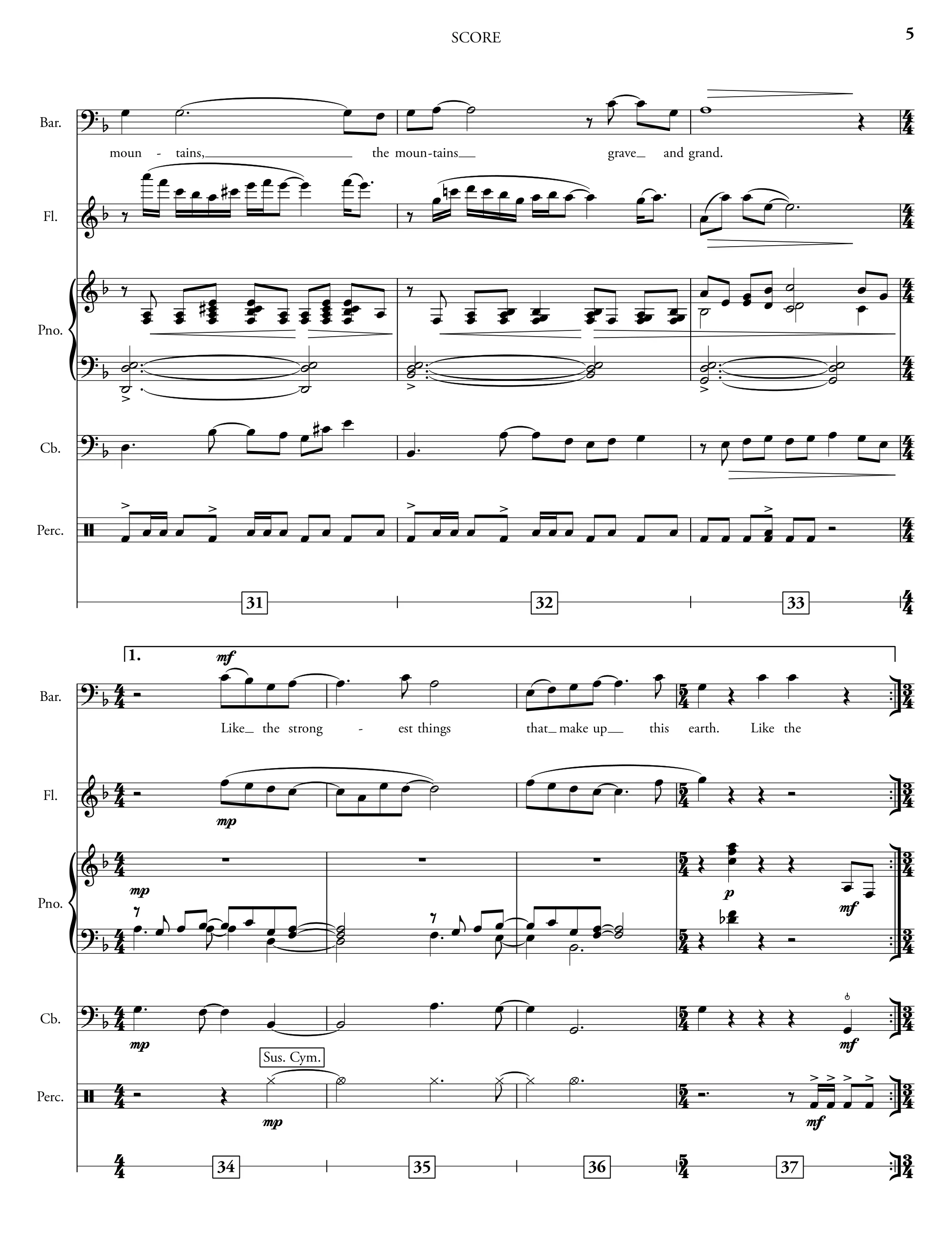
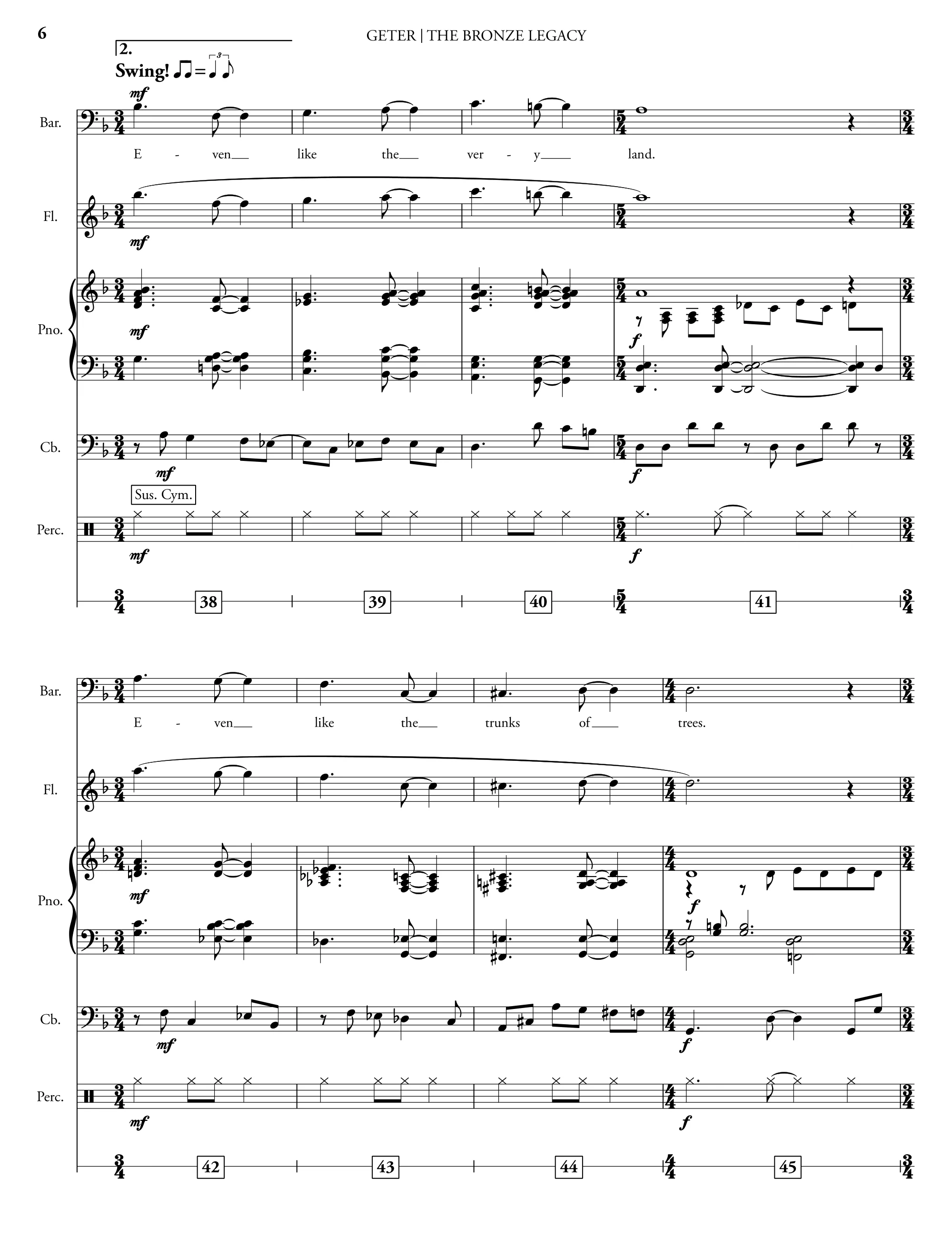
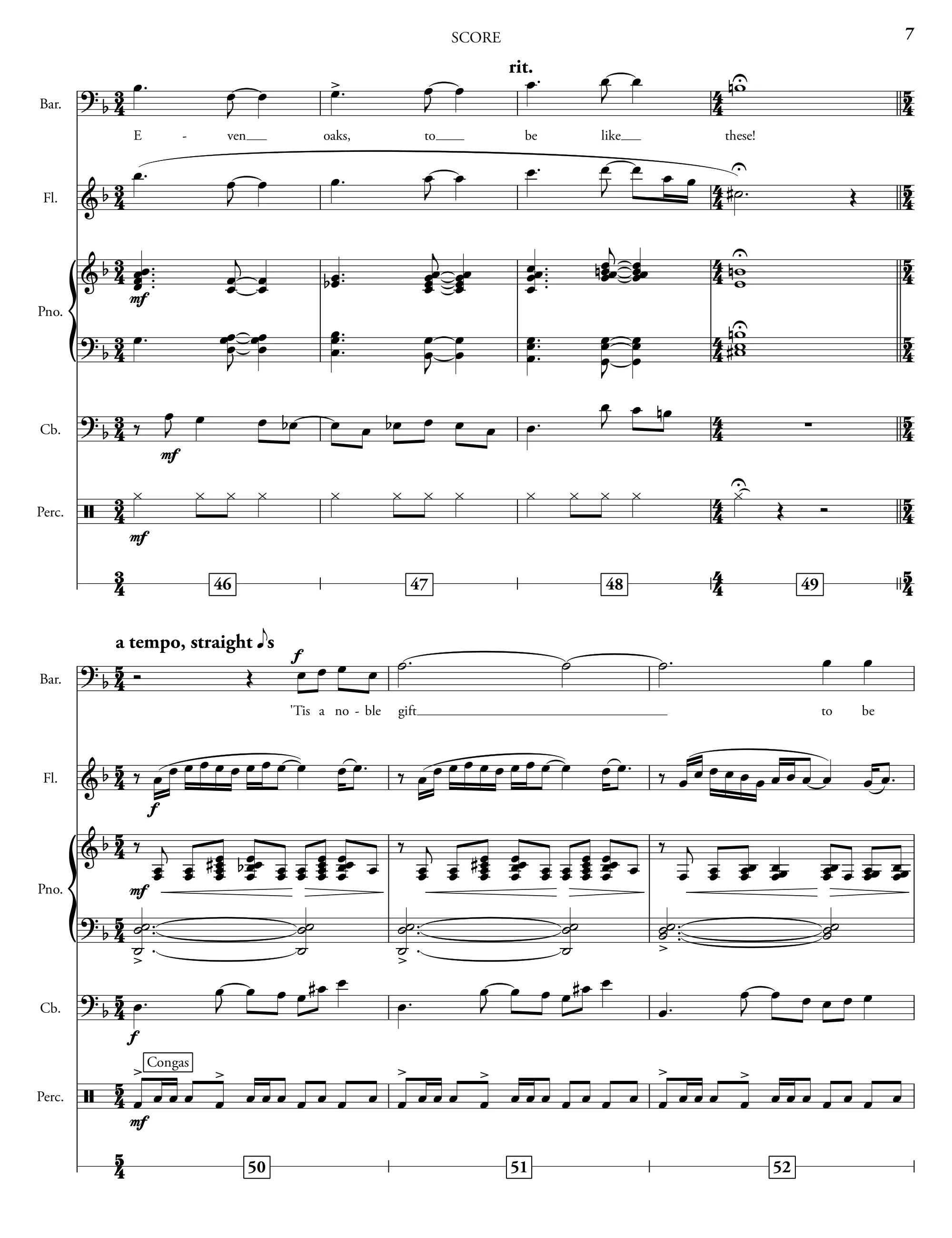
Effie Lee Newsom (1885-1979) was a poet of the Harlem Renaissance whose primary audience was children. In fact, her poem The Bronze Legacy leads with the line, “To a brown boy,” which suggests that it was written for a child (of any gender) with the intent to uplift and inspire. Its theme centers around the power of Black pride, and the mighty strength and beauty of Black people which she compares to some of the grandest images in nature. Although not specifically written in a jazz style, the ensemble evokes a mood that is reminiscent of the Harlem Renaissance.
Original: $25.00
-70%$25.00
$7.50More Images
The Bronze Legacy
Effie Lee Newsom (1885-1979) was a poet of the Harlem Renaissance whose primary audience was children. In fact, her poem The Bronze Legacy leads with the line, “To a brown boy,” which suggests that it was written for a child (of any gender) with the intent to uplift and inspire. Its theme centers around the power of Black pride, and the mighty strength and beauty of Black people which she compares to some of the grandest images in nature. Although not specifically written in a jazz style, the ensemble evokes a mood that is reminiscent of the Harlem Renaissance.
Product Information
Product Information
Shipping & Returns
Shipping & Returns
Description
Effie Lee Newsom (1885-1979) was a poet of the Harlem Renaissance whose primary audience was children. In fact, her poem The Bronze Legacy leads with the line, “To a brown boy,” which suggests that it was written for a child (of any gender) with the intent to uplift and inspire. Its theme centers around the power of Black pride, and the mighty strength and beauty of Black people which she compares to some of the grandest images in nature. Although not specifically written in a jazz style, the ensemble evokes a mood that is reminiscent of the Harlem Renaissance.